
Lending Through Cycles: Seth Davis on Capital and Community

Lending Through Cycles:
Seth Davis on Capital and Community
Lessons from $350+ Million in Arizona Real Estate Lending
Submit a Loan RequestSeth Davis NMLS ID 2140186
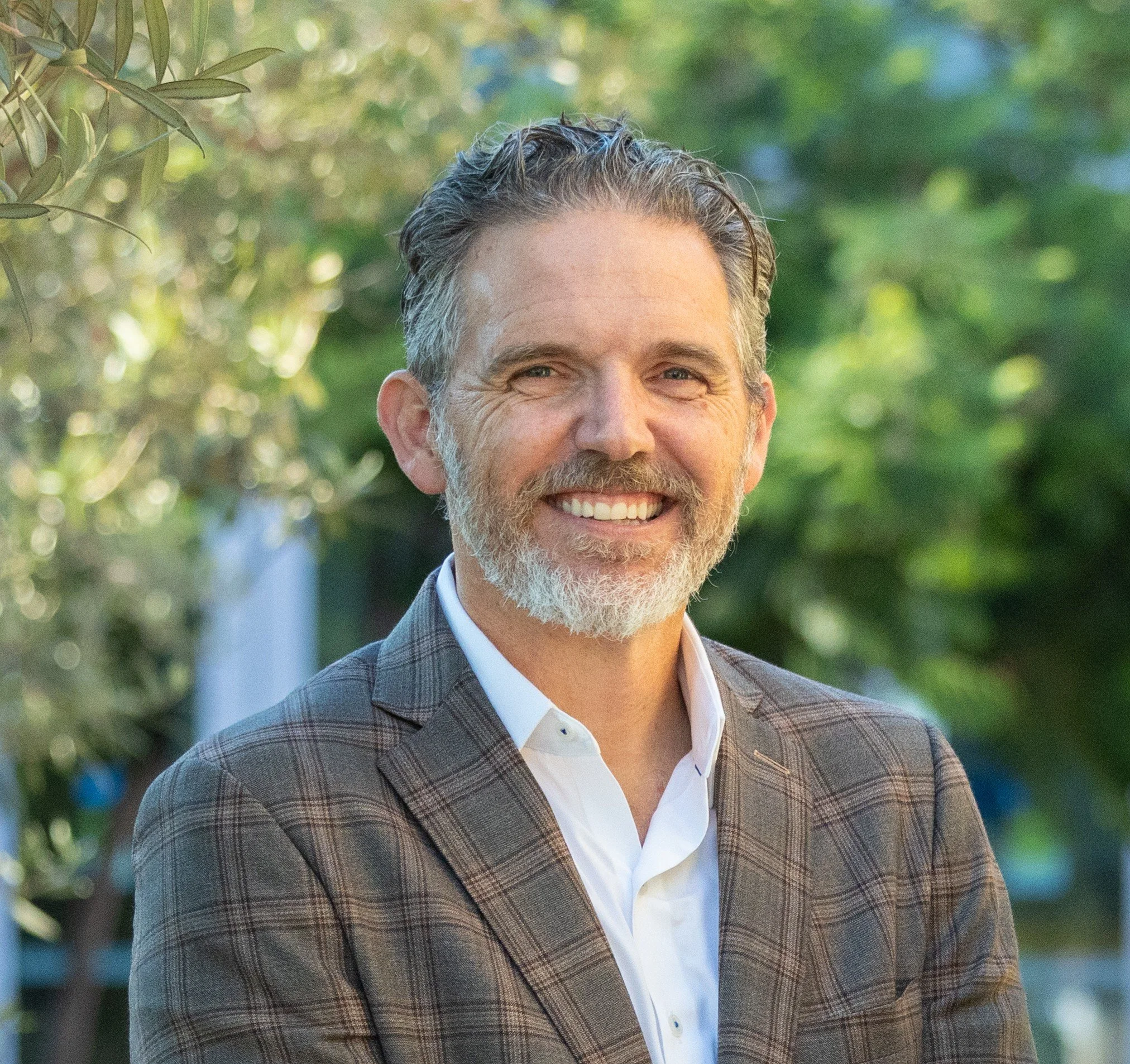
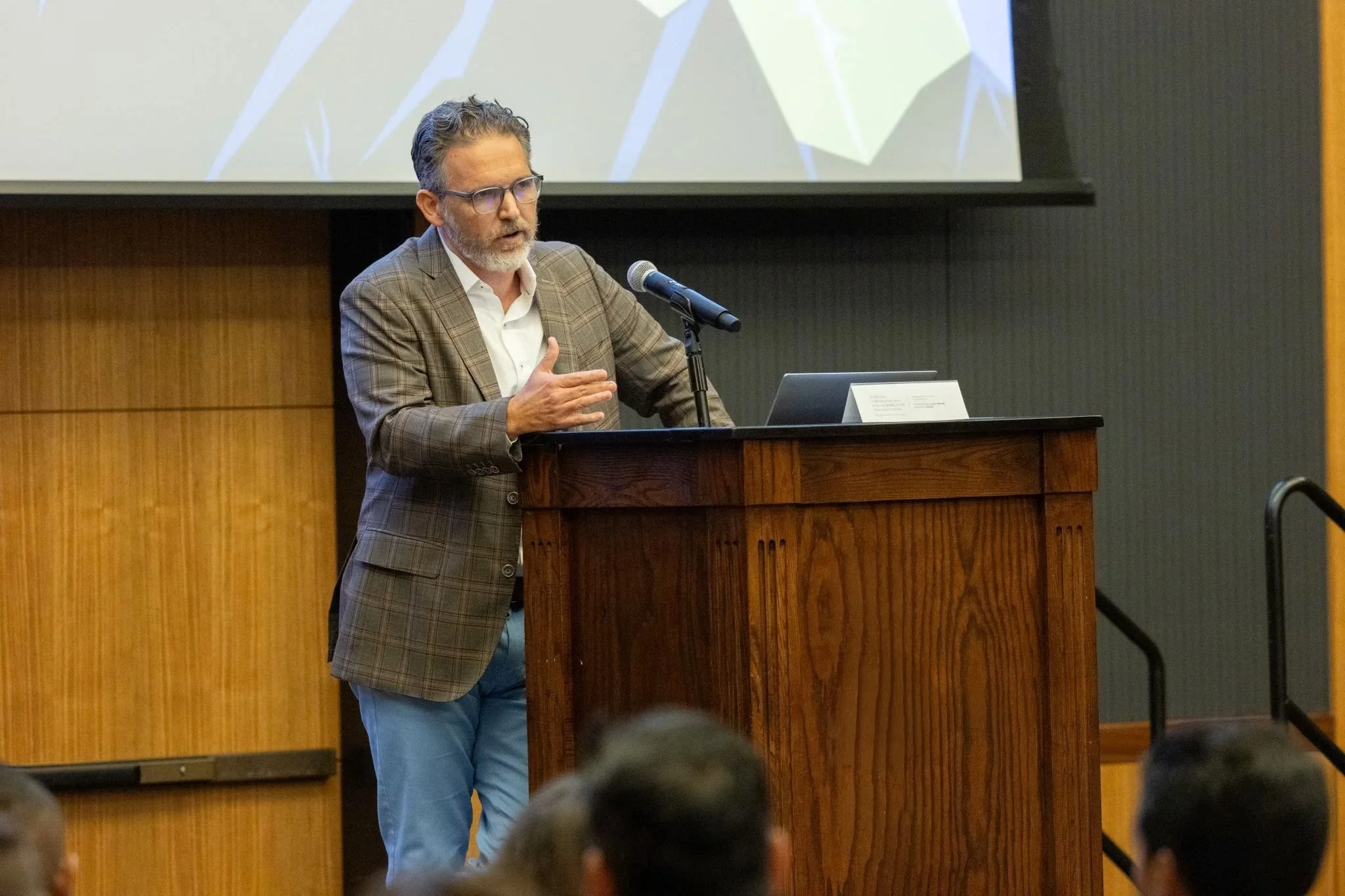
Seth Davis has spent more than two decades in Arizona real estate, working alongside builders through the cycles that transformed Phoenix into the nation’s fifth largest metropolitan area. As Managing Director at Arixa Capital, he sits where capital and execution meet, structuring financing for residential projects that traditional banks are often unequipped to back.
How has Phoenix changed as a real estate market?
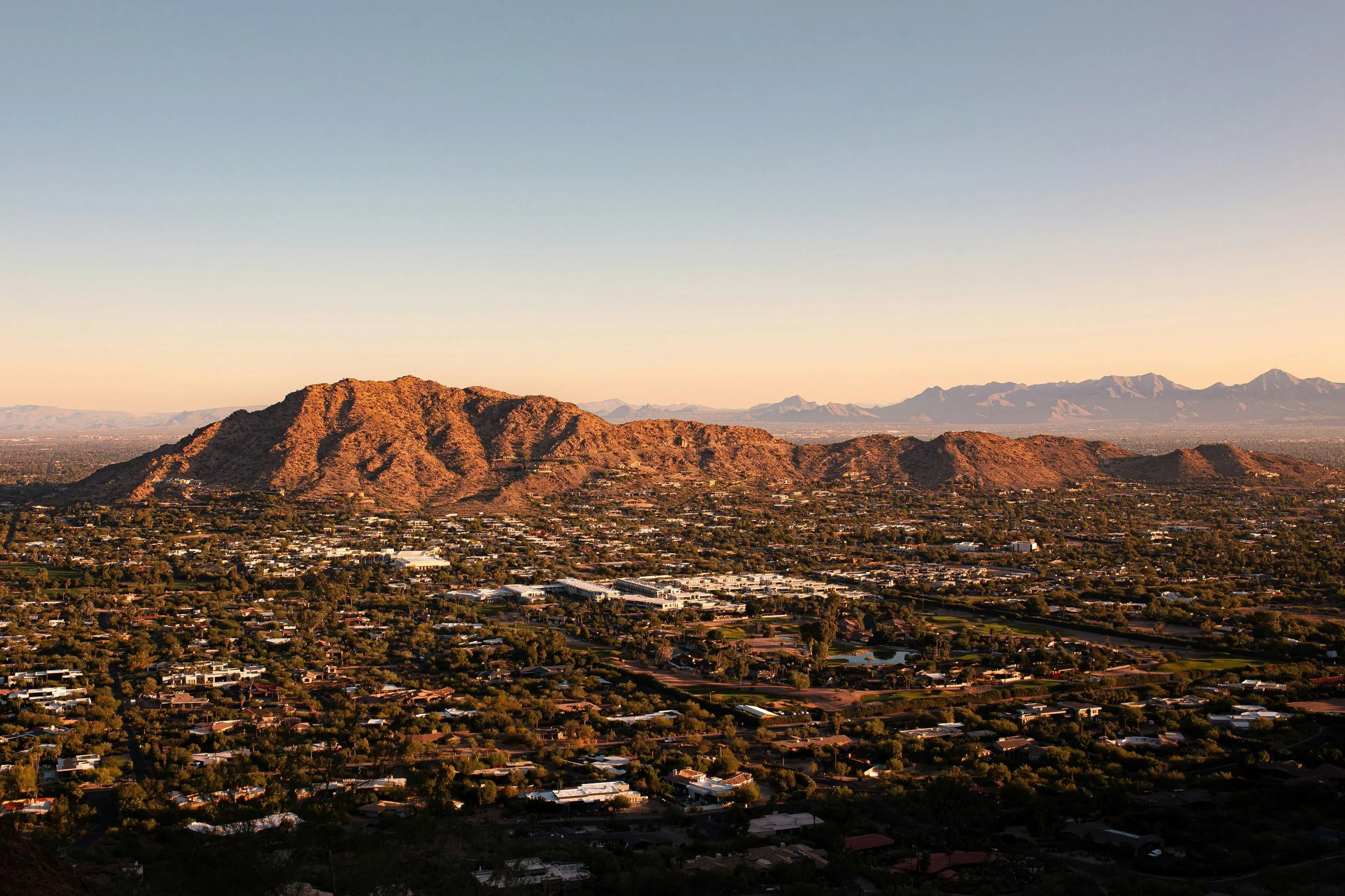
Over the past decade, the economy has broadened beyond its historical growth drivers. Expansion in technology, healthcare, and logistics has changed not only who is moving here, but how they live and what they expect from housing. That shift is creating demand on two fronts: new construction to meet evolving lifestyle needs, and renovation or redevelopment of aging housing stock that no longer meets current buyer expectations.
What is driving the need for private capital today?
We are filling a gap that is structural, not cyclical. Banks have pulled back from the mid-market lending space due to regulatory pressures and balance sheet constraints. I think that pullback will continue, especially with respect to construction loans, for quite some time. Builders still need capital to acquire, renovate, and build housing, and they’re not waiting for banks. In this environment, private lenders, like Arixa, that can move quickly and execute decisively will win this business, especially if they are differentiated from other competitors.
“Moving quickly matters, but being dependable is even more important.”
Most lenders underwrite from a distance. How has twenty years on the ground in Phoenix changed that calculus for you?
Arizona has seen some of the strongest population growth in the country, and that growth translates directly into sustained demand for housing. I’ve seen what happens when capital decisions are not made locally. You are often adversely selected both in terms of location and sponsor quality, and do not understand the nuances of various submarkets if you do not have boots on the ground.
You’ve emphasized reliability, but what does that look like in Arizona?
For builders, reliability is knowing your financing partner won’t become the problem. Permits have expiration dates, labor bids have windows, material pricing moves. When financing timelines slip, it impacts the balance of the project. A delayed draw or an uncertain closing can force renegotiation that can disrupt a project’s economics before the first shovel is in the ground. Moving quickly matters, but being dependable is even more important. Closing when expected, funding when needed, and staying aligned throughout the process is how we execute reliably.
You’ve spent two decades building relationships here. What does that depth of presence mean beyond the balance sheet?
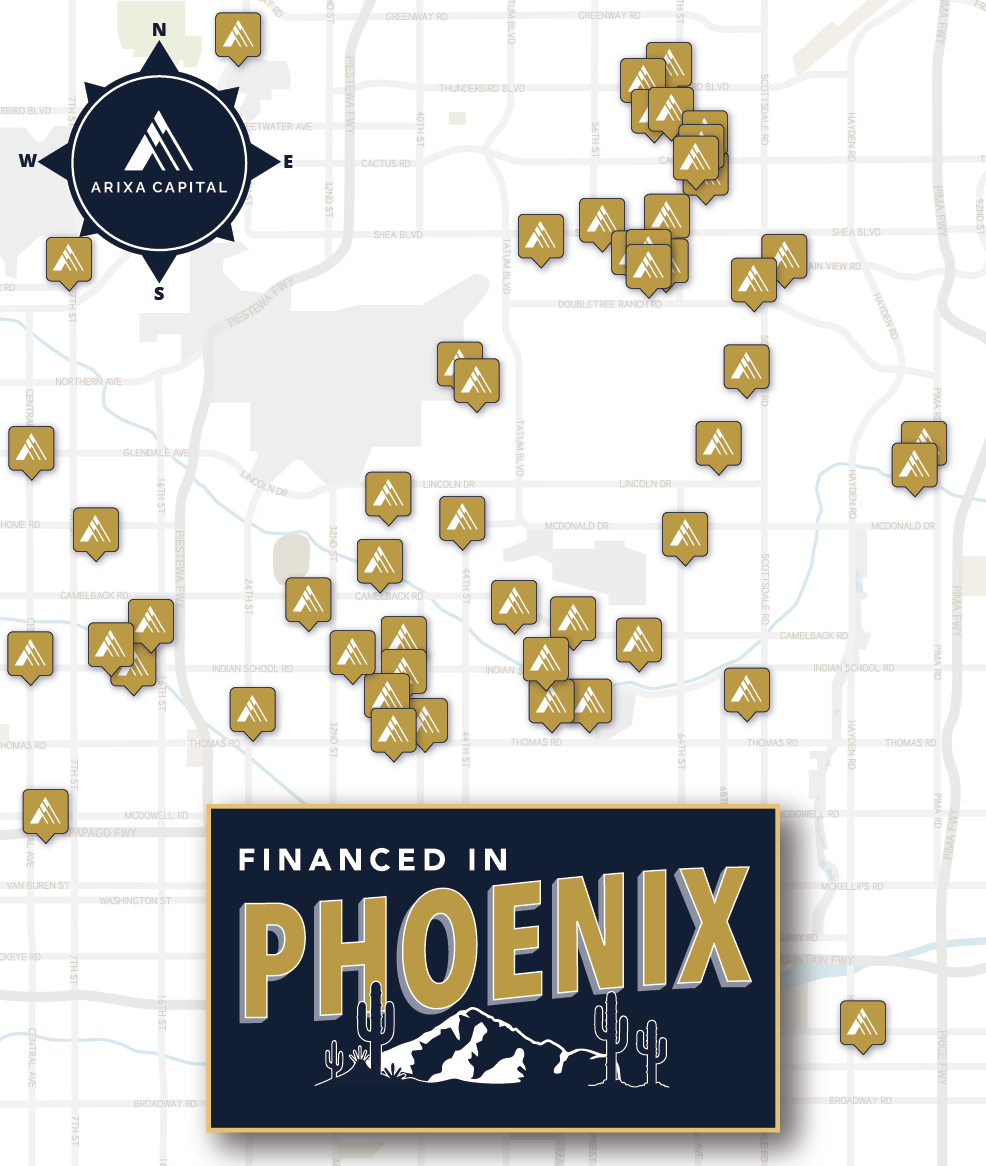
Phoenix is where I’ve chosen to build both my life and my career, and that closeness shapes how I view every deal. When I’m evaluating a project, it’s not just a zip code on a spreadsheet. These are neighborhoods we know intimately as to what home buyers want, as what works in one community may not work for another. That is especially clear after deploying $350+ million across Arizona and watching projects transform from ideas into desirable homes for today’s families.

Recently Funded in Arizona
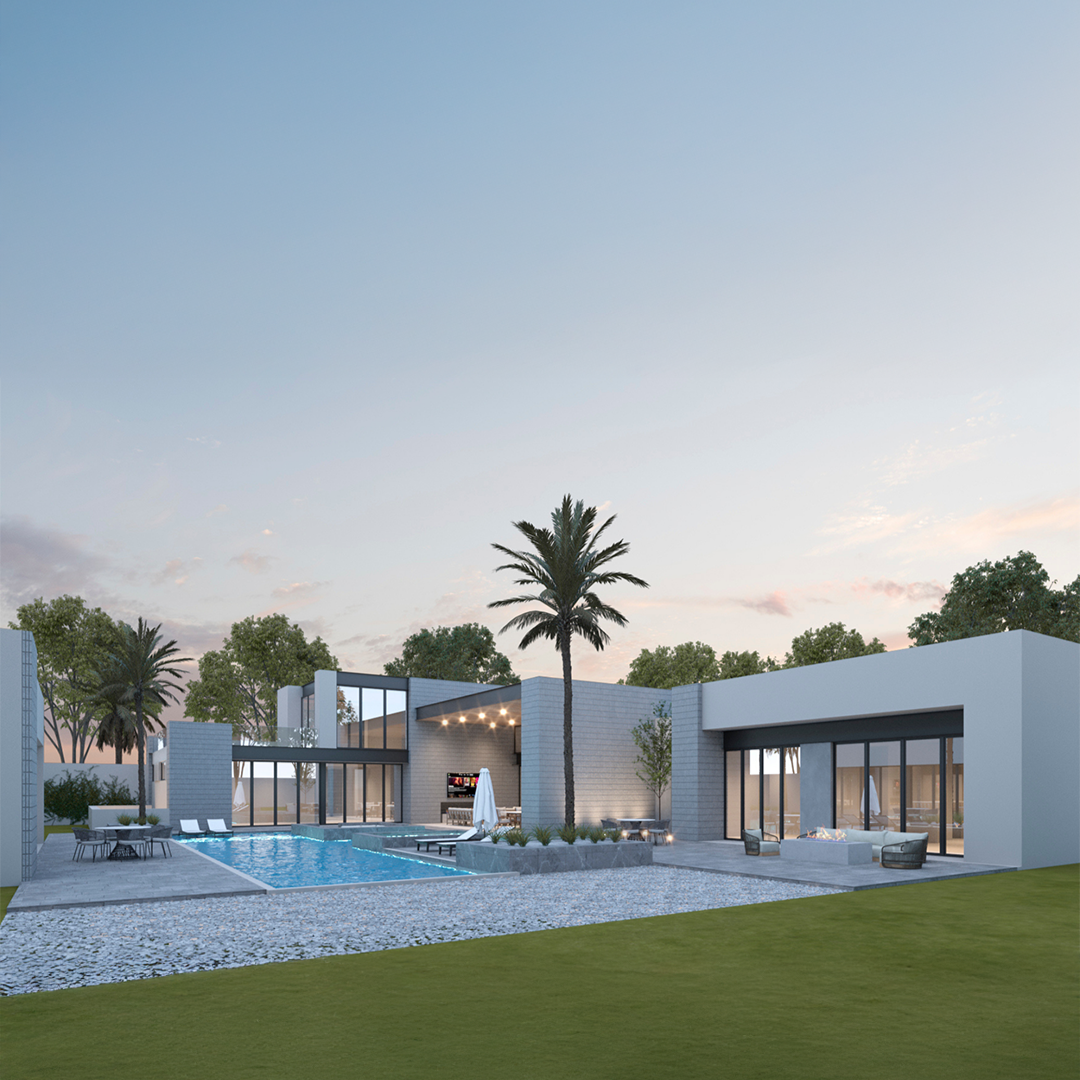
$10,500,000 Loan
Ground Up Construction
SFR | Paradise Valley, AZ
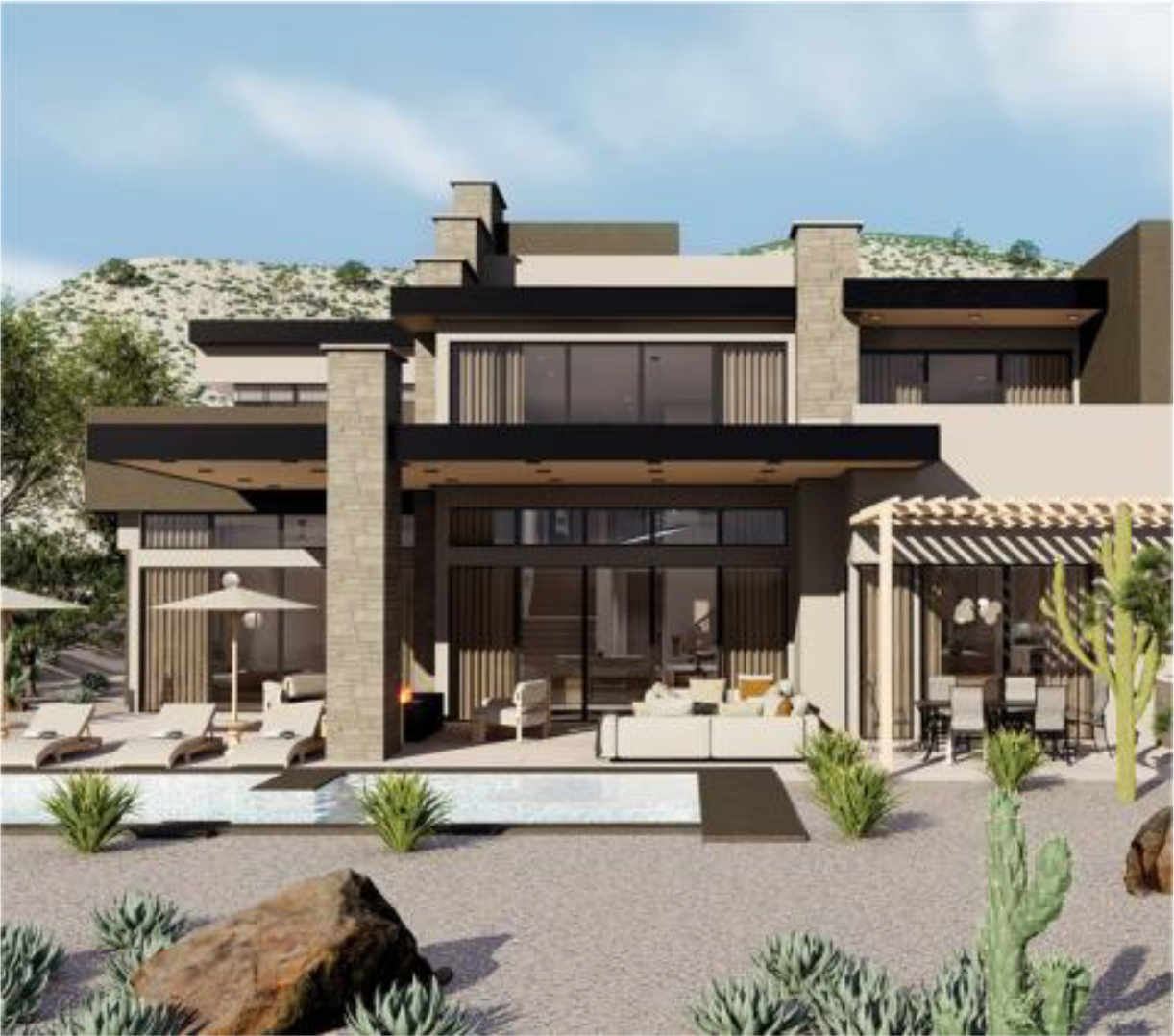
$2,300,000 Loan
Ground Up Construction
SFR | Scottsdale, AZ
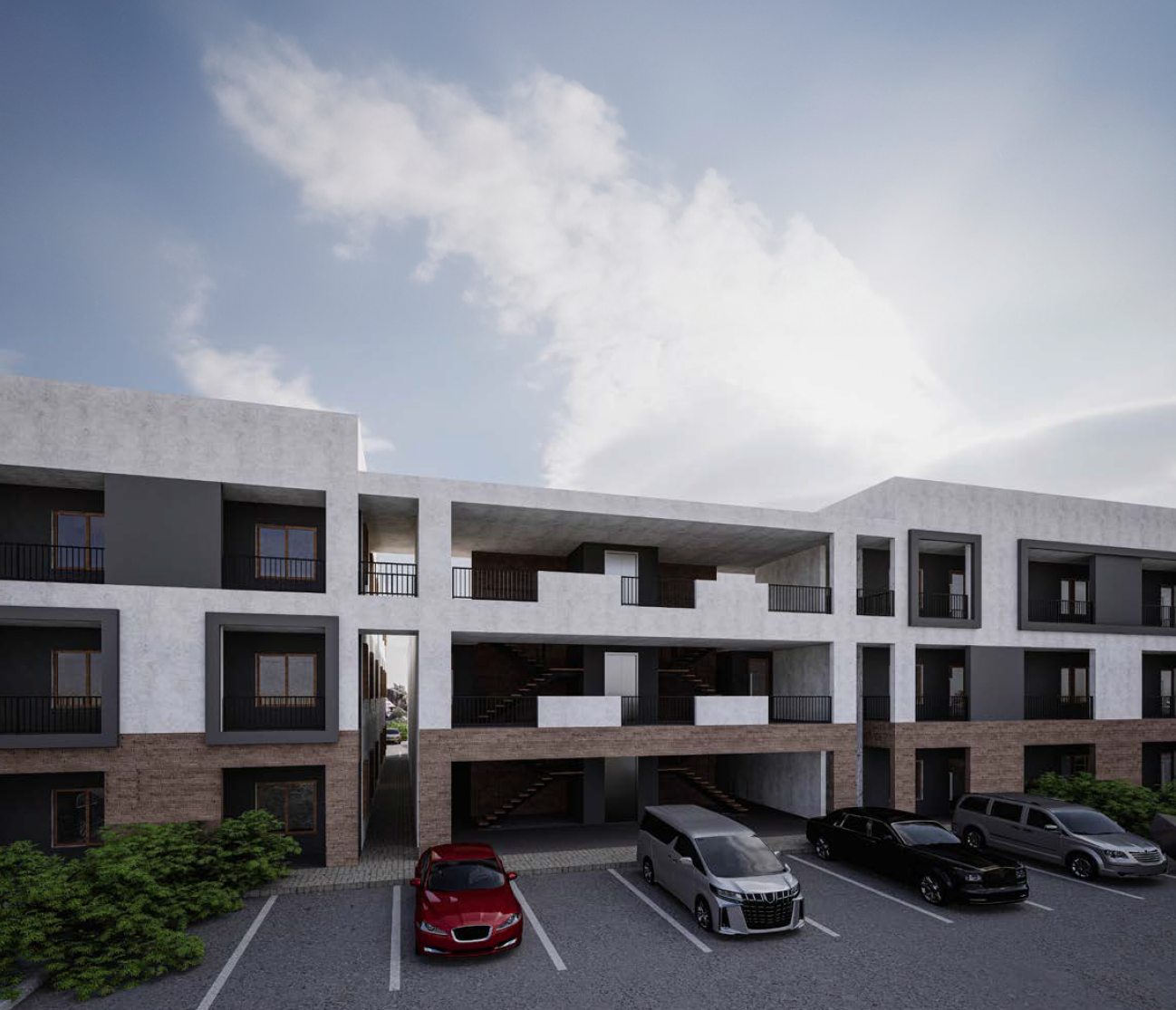
$8,850,000 Loan
Ground Up Construction
48-Unit Condo Develepment | Phoenix, AZ

$8,915,000 Loan
Construction Completion Loan
SFR | Paradise Valley, AZ
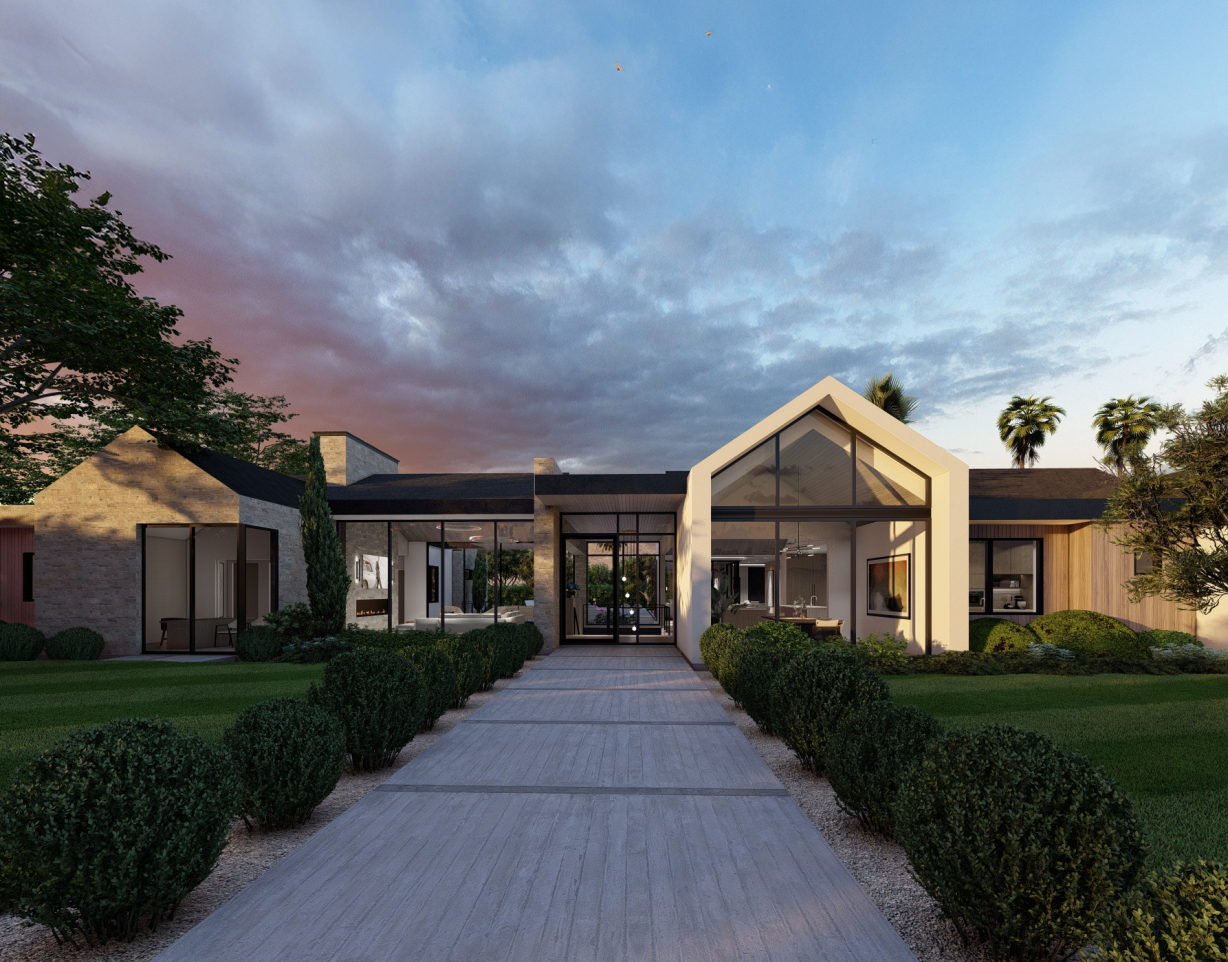
$6,600,000 Loan
Construction Completion
SFR | Paradise Valley, AZ
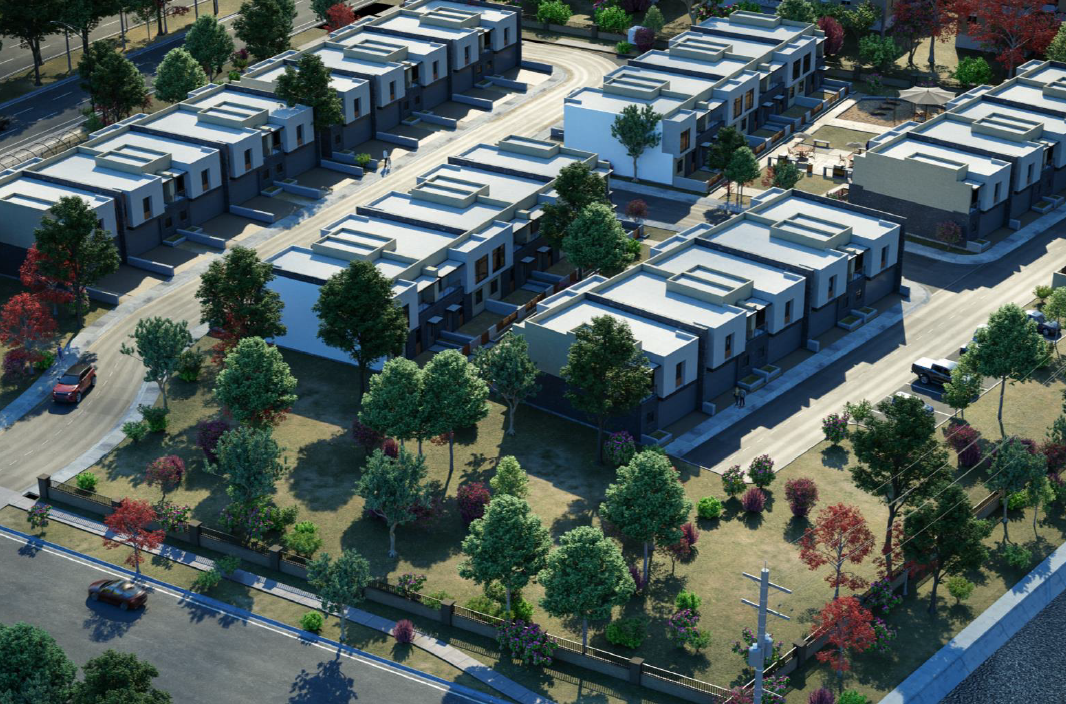
$9,700,000 Loan
Ground Up Construction
30-Unit Townhome | Phoenix, AZ